


Faculty Development Programme (FDP)
Theme: Trends in Tourism and Hospitality Sector – Technology Competency Enhancement
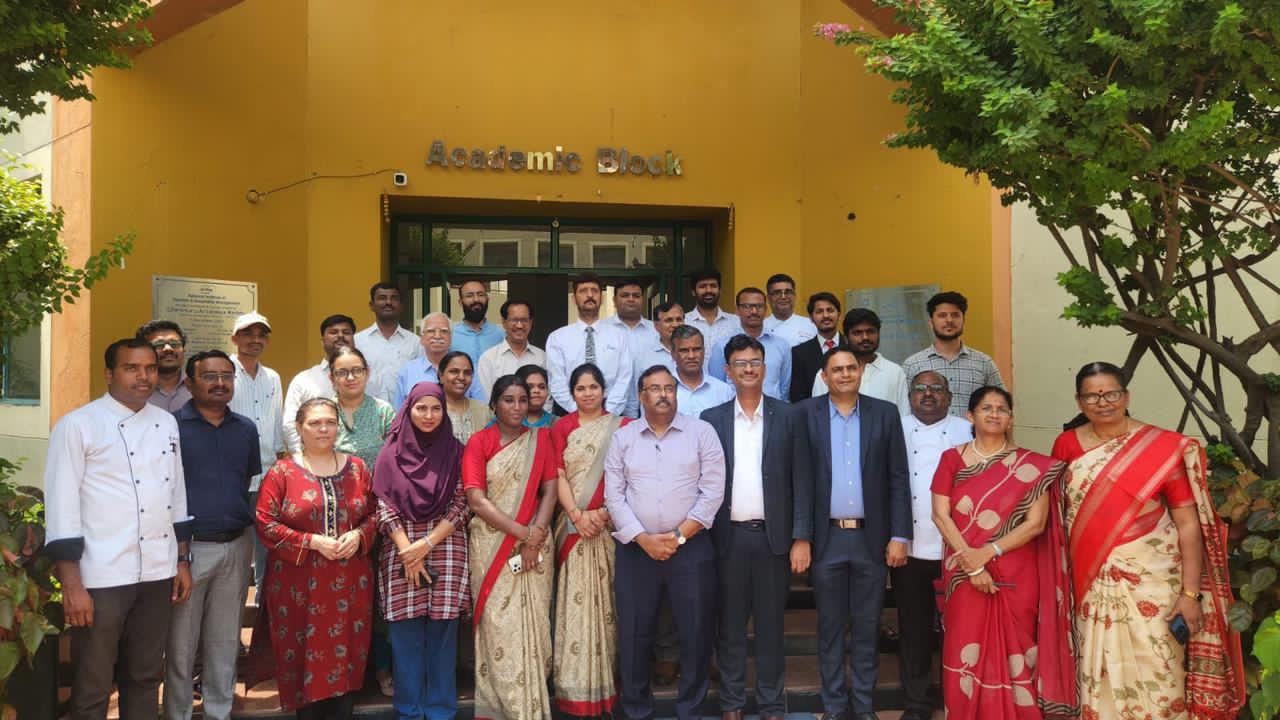
Venue: Training Hall, Academic Block, NITHM
Date & Time: 19 May 2026, 10:00 AM to 5:00 PM
A Faculty Development Programme (FDP) on “Trends in Tourism and Hospitality Sector – Technology Competency Enhancement” was successfully conducted at the Training Hall, Academic Block, NITHM, from 10:00 AM to 5:00 PM. The programme aimed at enhancing faculty competencies in emerging trends, technological advancements, research methodologies, and innovative teaching practices in Tourism and Hospitality (T&H) education.
The programme commenced with an insightful session by Mr. D. Ramachandram on “The New Language of Tourism and Hospitality.” He emphasized that teaching is the only profession that teaches all other professions, highlighting the crucial role of educators in shaping the industry. He discussed contemporary tourism trends influenced by technology, especially the growing significance of weekend tourism and the expanding weekend tourism economy. He elaborated on the economic impact of leisure tourism, mentioning that approximately 5–7 lakh leisure trips are booked annually, generating an estimated revenue of 5000 crores. The speaker stressed the importance of screen tourism as an effective destination marketing strategy and observed that modern tourism revolves around experience sharing, stating that destinations must be “share-worthy” to attract tourists.
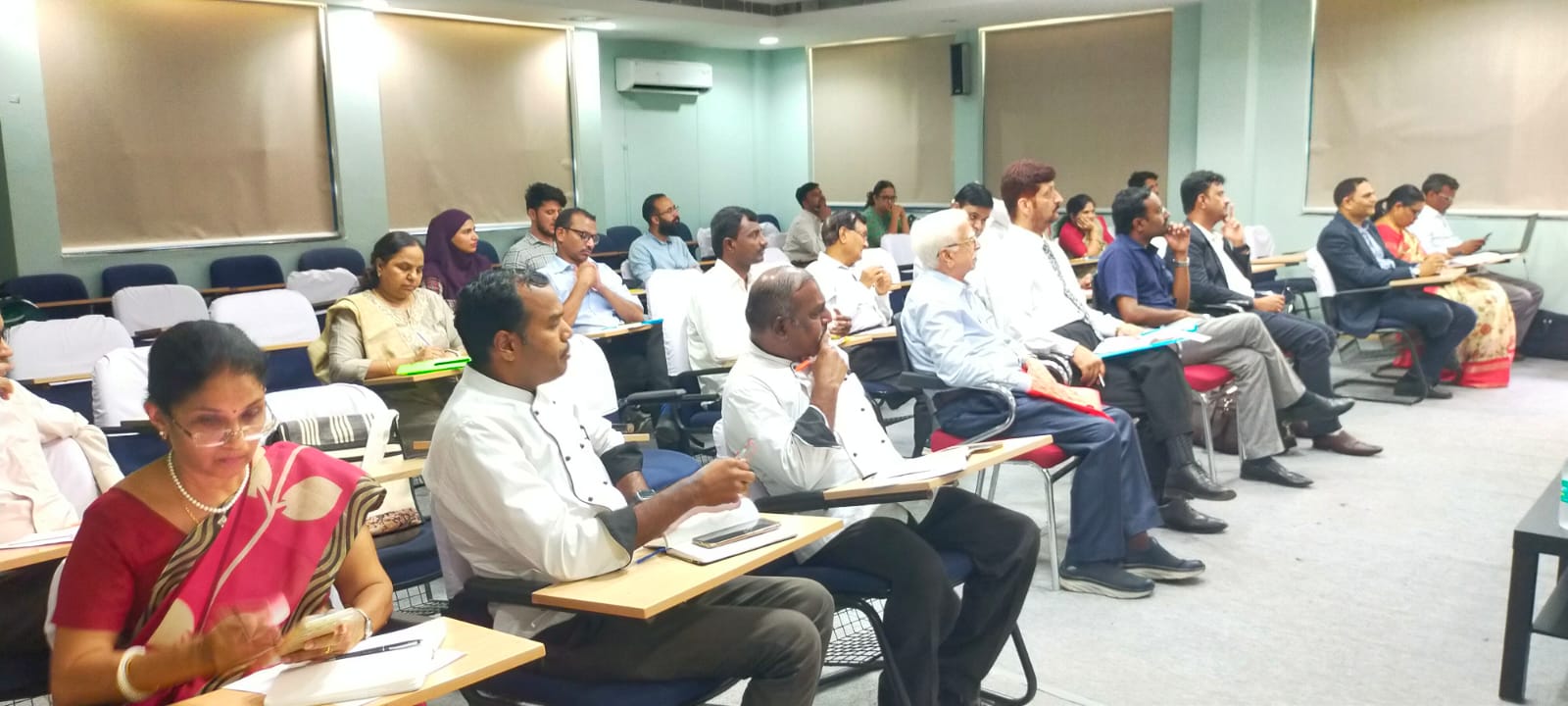
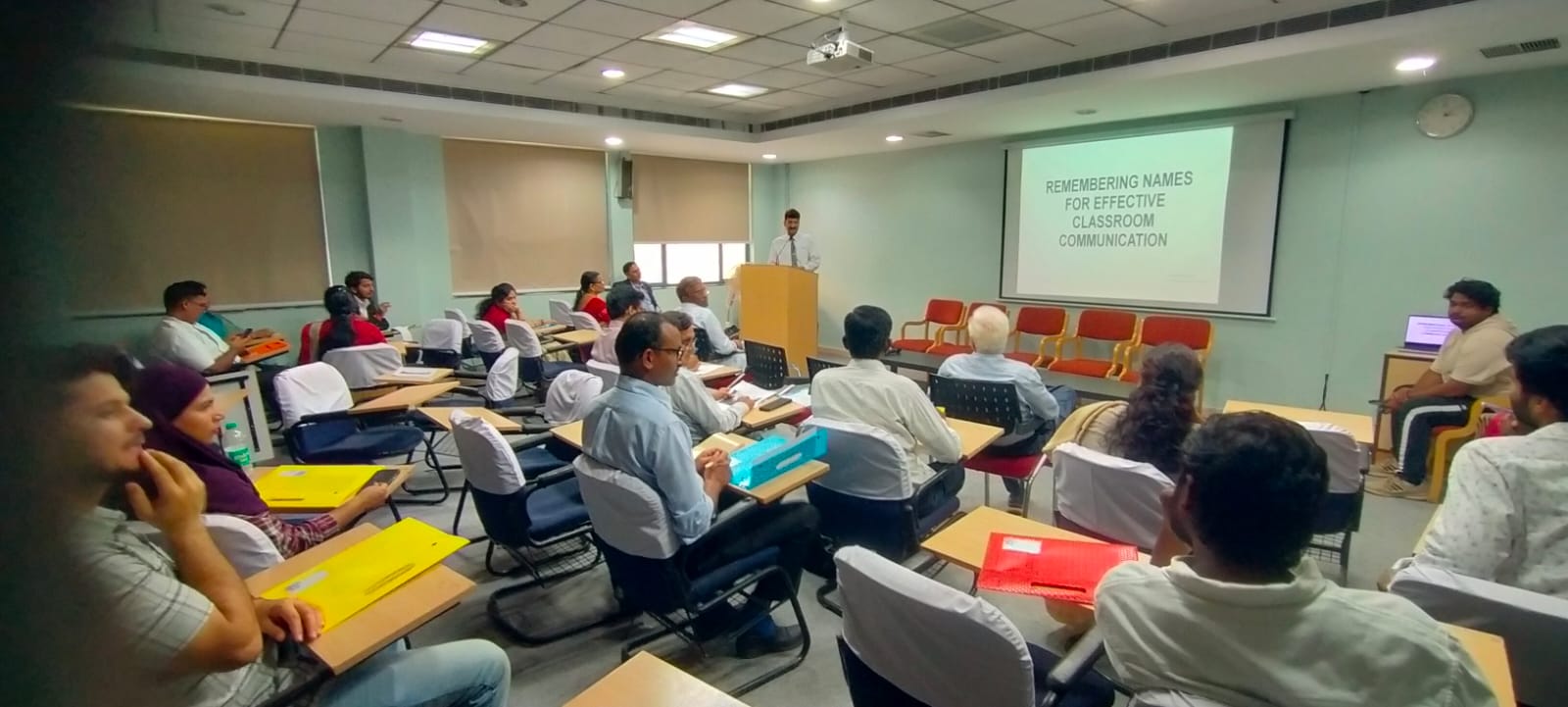
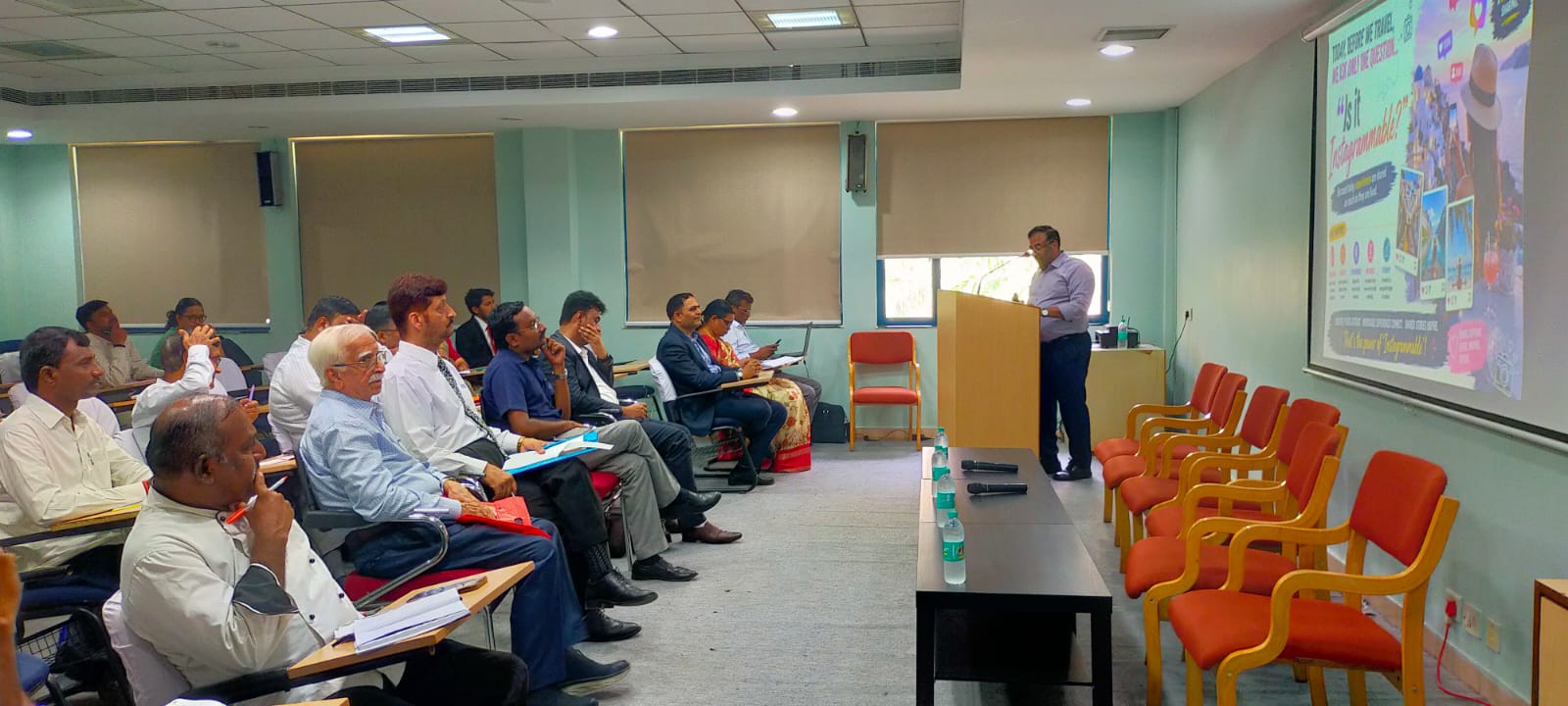
The second technical session was delivered by Mr. P. Mohan & Mr.YVN Phani Kishiore on “AI in Tourism & Hospitality Education and Research Excellence: Trends, Insights and Innovation.” The session focused on the integration of Artificial Intelligence (AI) in tourism education and research. He discussed the relationship between expectations and experiences in hospitality and emphasized that while speaking is easy, effective listening is difficult yet essential. The speaker explained that tourism fundamentally revolves around attractions, accommodation, and tourists, supported by modern innovations such as smartphones, cloud computing, and the Internet of Things (IoT). He highlighted the strong connection between business management and technology, noting that automation is becoming a key trend in tourism while maintaining that tourism and hospitality remain sectors requiring a human touch. The session also explored the transition from evolution to revolution in technological adoption. Participants learned the importance of prompts, using multiple digital tools, and the growing role of AI agents as task-specific assistants capable of planning schedules and streamlining operations. It was emphasized that domain knowledge in Tourism and Hospitality is essential for obtaining relevant AI-based responses.
The session was conducted by Dr. B.Sasidhar. He emphasized the importance of effective prompts and multiple AI tools for improving efficiency in Tourism and Hospitality (T&H). It highlighted that AI agent’s act as assistants, with different agents designed for specific tasks and capable of creating schedules and automating activities. The speaker noted that traditional digital tools alone are no longer sufficient, and domain-specific knowledge must be provided for AI to generate relevant responses in T&H. It was also emphasized that AI should be used mainly for survey and research support rather than writing complete research papers, and users must avoid sharing sensitive or confidential data while using AI tools.
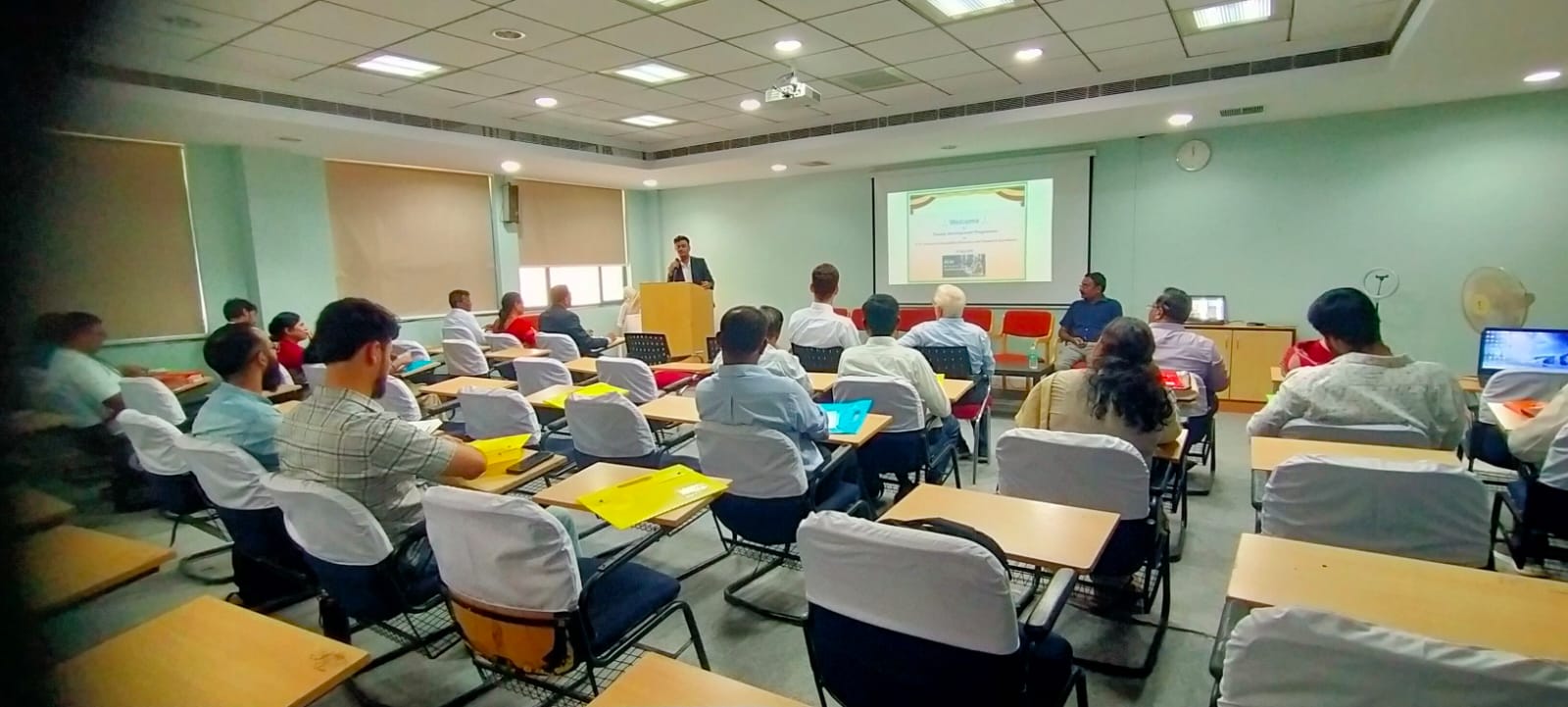
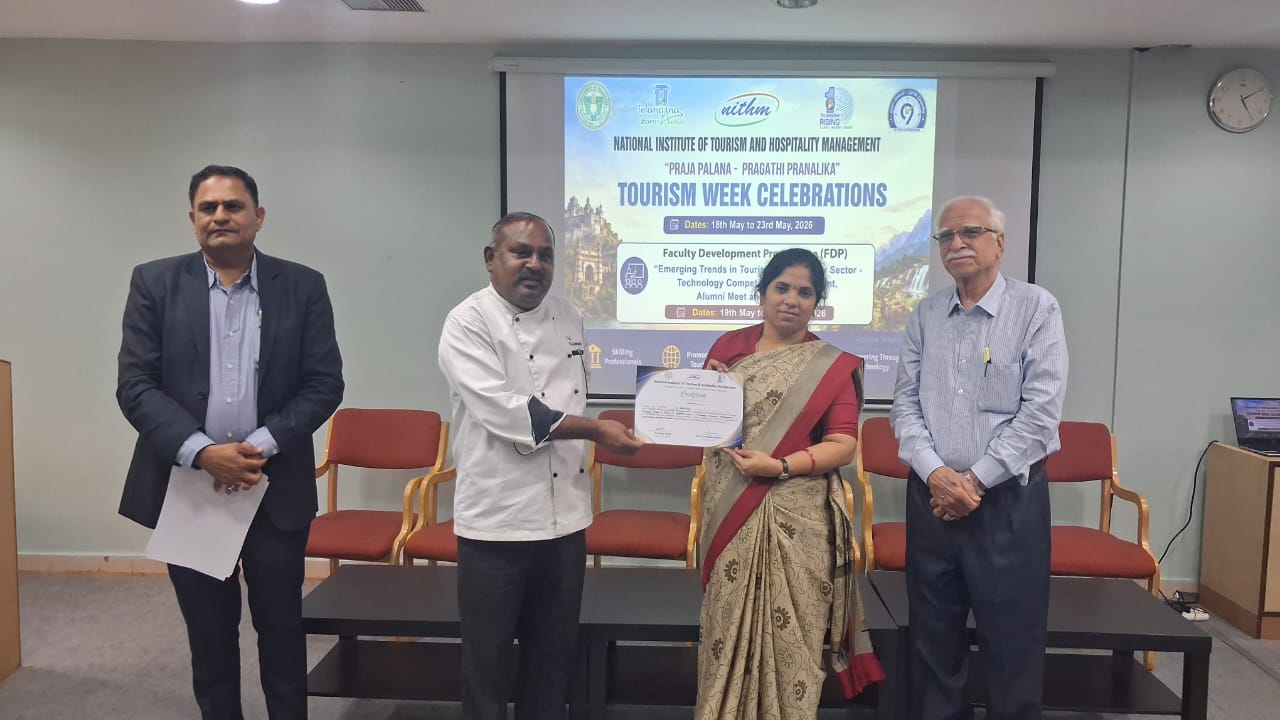
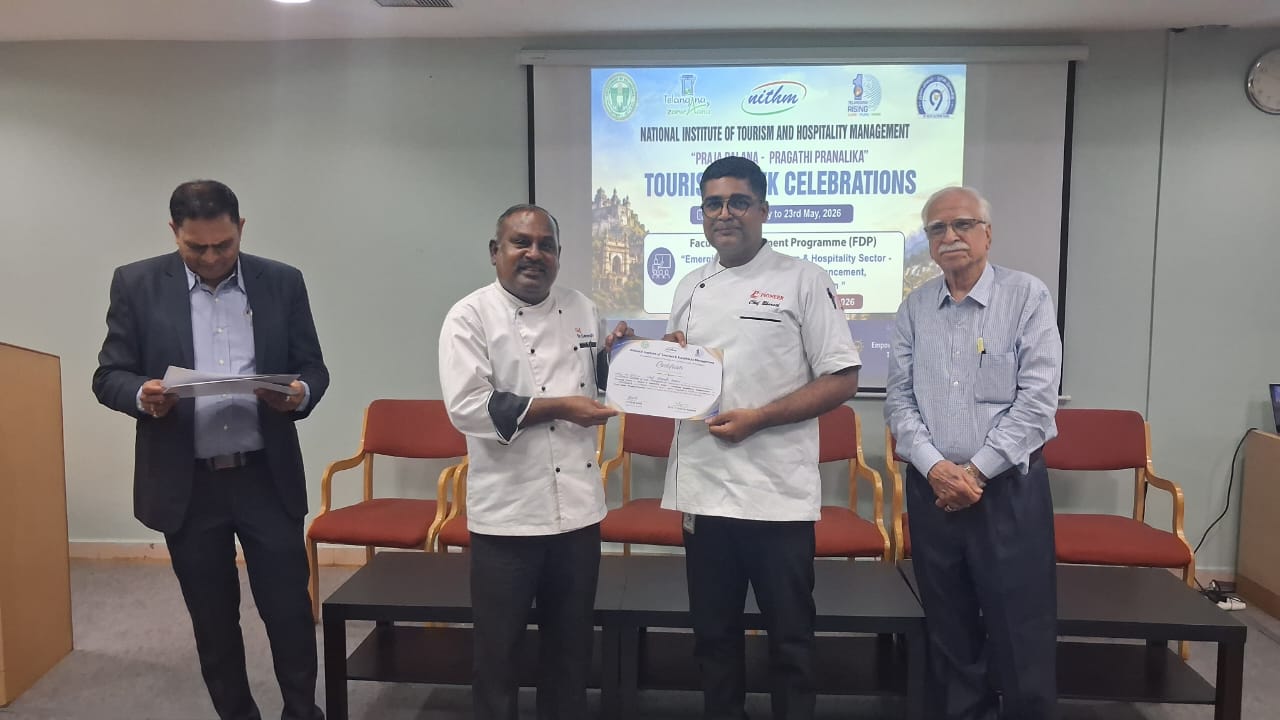
Another enriching session was conducted by Puneet Razdan from Institute of Hotel Management,Hyderabad on “Remembering Names for Effective Classroom Communication.” He explained the psychological importance of names in building effective communication and emphasized that individuals prefer being addressed by their names with proper pronunciation. The speaker noted that remembering names forms the foundation of personalized communication, as names represent identity and individuality. Referring to the ideas of Dale Carnegie a popular psychologist, particularly from the book how to Win Friends and Influence People, he highlighted the importance of interpersonal connection in teaching and classroom management.
The final technical and practical session focused on SPSS (Statistical Package for Social Sciences) and its applications in Tourism and Hospitality research, along with hands-on training by Dr.D Maheshwara Reddy The resource person introduced participants to the basics of SPSS, emphasizing its use primarily for survey-based research. Topics covered included variables, hypothesis formulation and testing, descriptive statistics, qualitative and quantitative variables, normal distribution curves, null and alternative hypotheses, and data interpretation. Participants were informed that when data forms a proper curve, it generally indicates a normal distribution. During the post-lunch hands-on session, four practical exercises were conducted, enabling participants to gain experience in data handling and analysis. Important statistical concepts such as population and sample were explained using practical examples, such as universities in Telangana representing a population.
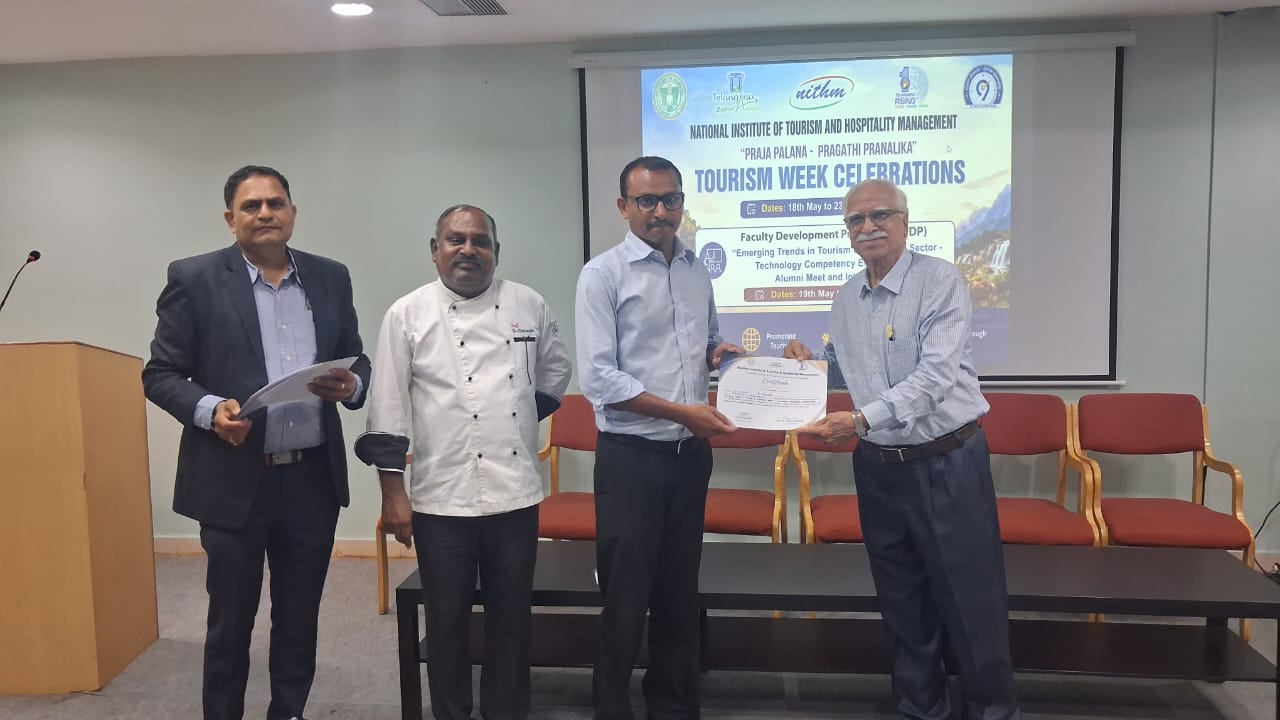
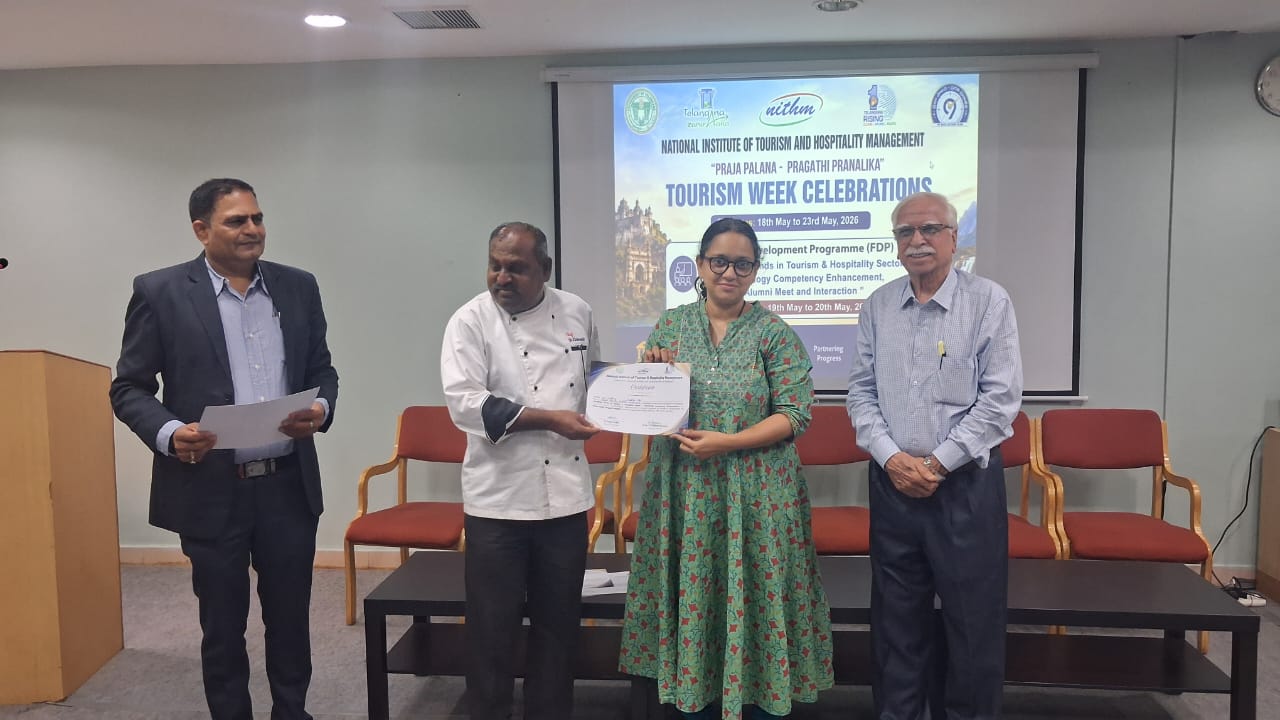
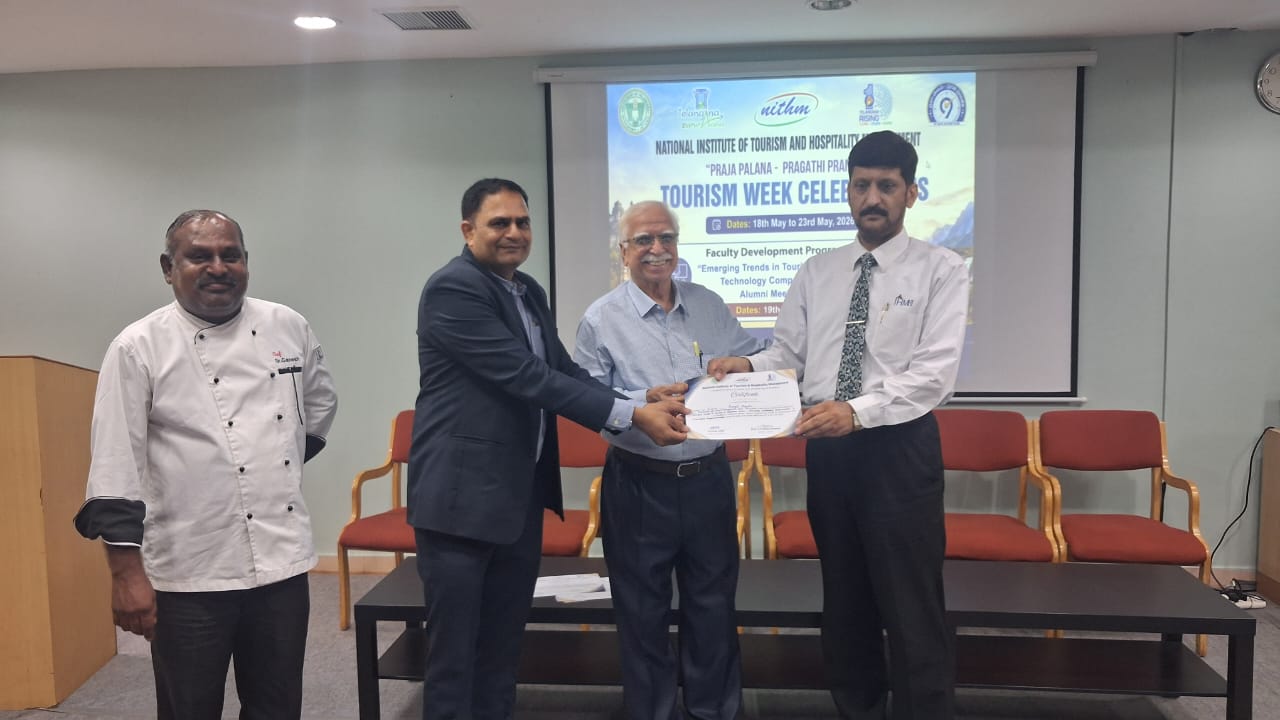
The FDP concluded with valuable insights into technology competency enhancement in Tourism and Hospitality education, enabling participants to better understand emerging trends, AI integration, personalized teaching methods, and research-based technological applications. The programme proved to be highly informative and beneficial for faculty members, enriching their academic and professional capabilities in line with the evolving tourism and hospitality landscape.
AFFILIATION / CERTIFICATIONS


Testimonials

Aditya Deendayal
MBA 2005-07 Executive Director
Alankrita Resort & Conversations Hyderabad
Abhishek Patawar
BBA 2012-16
Weddings By Patawar - Founder & CEO
Spark Goli Soda - Director
Country Chicken Co - Director

B. Mounika
MBA 2016-18

V. Saketh
MBA 2014-16
Founder & Managing Director at Celebrano Events and Entertainments

Siddharth
BBA 2005-08 Shahdag Mountain Resort Cluster Director of Operations, BAKU, Dubai

Taaj Khan
MBA 2014-16
Senior Director at Concept PR India Ltd.
Krupakar Ravipati
BSc 2014-17
Assistant Director
India Tourism, Telangana Hyderabad
Madhan Murthy
MBA 2013-15
Founder & CEO
VDo Technologies
Shyam Sunder
MBA 2013-15
Head of Marketing & Growth
VDo Technologies
Address
National Institute of Tourism & Hospitality Management, Telecom Nagar, Gachibowli, Hyderabad – 500032, Telangana Government, IndiaCall Us
Admissions: 040-23000471PS to Director: 040-23000472
Main Gate Security: 040 - 23000454
Mail: director@nithm.ac.in
Working Hours
Monday – Saturday : 09:00 – 17:00Sunday : Closed
